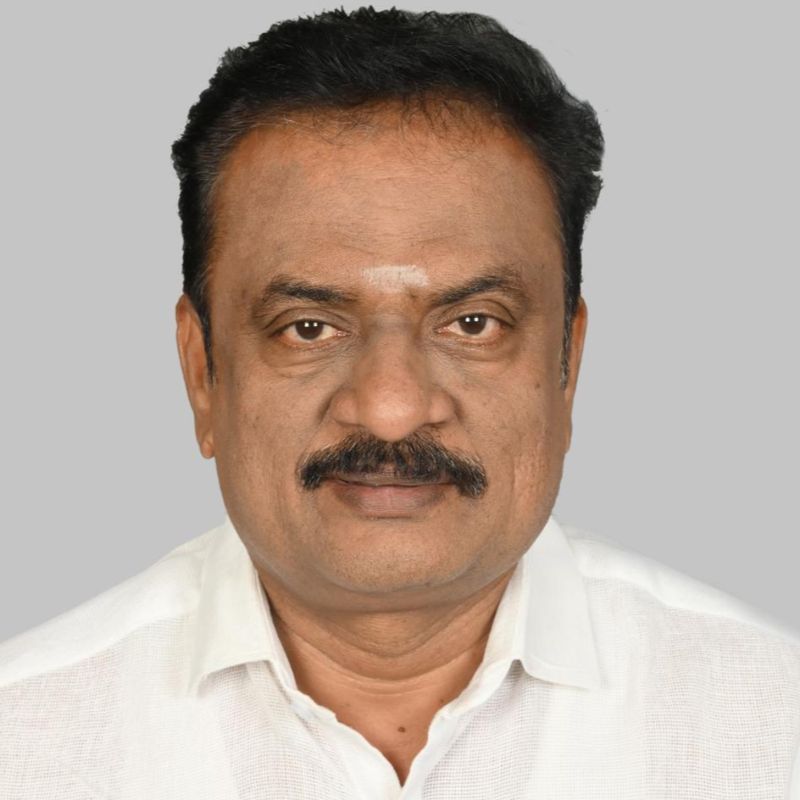
An observational reading of why Coimbatore district moved the way it moved.
கோவை மாவட்டம் ஏன் இப்படி நகர்ந்தது என்பதற்கான ஒரு கள வாசிப்பு.
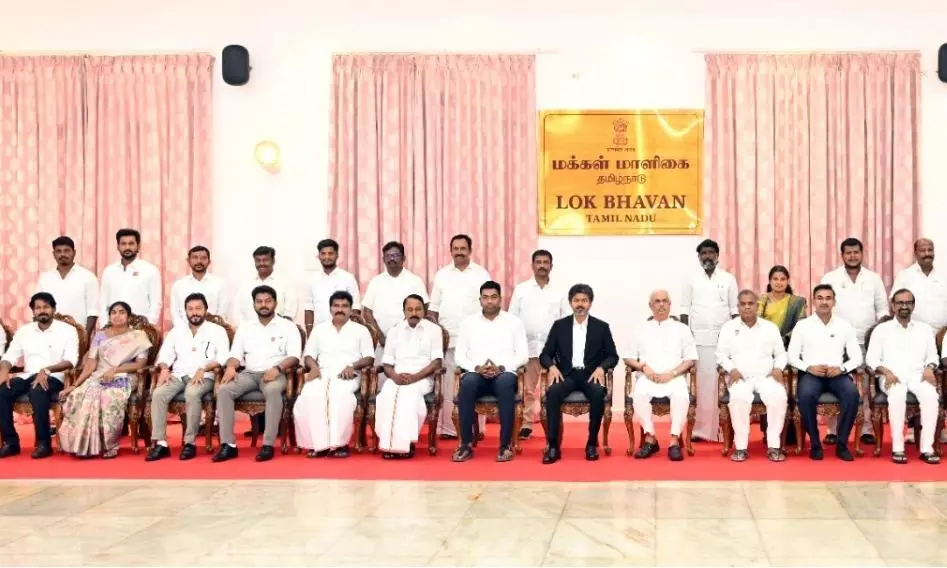
When V. Sampath Kumar took the oath of office on 21 May 2026 as Minister for Backward Classes, Most Backward Classes and Denotified Communities Welfare, he inherited the single most consequential social-policy portfolio in Tamil Nadu. The combined BC, MBC and DNC categories account for more than seventy percent of the state's population. Every scheme, every hostel, every scholarship register that falls under this department directly touches three out of four Tamil families. The portfolio is too large to be ornamental. Here is what an evidence-based reading of TVK's commitments and Sampath Kumar's record suggests we should expect over the next eighteen months.
The first priority will almost certainly be scholarship reform. Tamil Nadu disburses pre-matric, post-matric and professional-course scholarships to BC, MBC and DNC students through a fragmented stack of state and Centre-funded schemes. Delays in disbursement — students often receive the previous year's scholarship in the next academic year — have been a chronic complaint. Expect a single-window digital payments system, real-time tracking, and direct benefit transfer with a hard service-level commitment. The technology exists; the political will to enforce timelines has been thin. That is the easy win Sampath Kumar can post in his first six months.
The second priority should be hostel quality. The state runs hundreds of BC, MBC and Adi Dravidar hostels, many of which are buildings the rest of the education department has forgotten. Toilets, kitchens, study lights, mattresses, broadband — the litany is familiar and the fixes are not expensive in any rational sense. A capital-expenditure refresh, accompanied by a published rating system that lets parents see where their child will be living, would shift the politics of the hostel programme from suspicion to ownership.
The third, more ambitious lever is micro-enterprise credit. BC and MBC communities are over-represented among Tamil Nadu's small-scale traders, transport operators, weavers, dyers, food processors and service entrepreneurs. The existing Backward Classes Economic Development Corporation provides loans, but the average ticket size is modest and the application process has been slow. A redesigned BC micro-enterprise credit line — larger ceilings, faster turnaround, partnership with district cooperative banks — could move the needle on actual household income, not just transfer payments. This is the kind of intervention that distinguishes welfare administration from welfare politics.
The fourth area to watch is the denotified communities portfolio, often the most neglected within the broader department. Communities classified as Vimukta Jatis carry the weight of colonial-era criminal-tribe labelling and structural exclusion from public services. Expect targeted documentation drives, civil-rights legal aid, and educational bridge programmes. This is also where the ideological frame of TVK — Periyar and Ambedkar together — translates most directly into administrative practice.
None of this is guaranteed. Ministerial portfolios have a way of being captured by departmental routine. But Sampath Kumar's apprenticeship in Coimbatore was, by design, an exercise in granular delivery. The next eighteen months will tell us whether the same instinct survives the transition from a district to a state.
2026 மே 21 அன்று வே. சம்பத் குமார் பிற்படுத்தப்பட்டோர், மிகவும் பிற்படுத்தப்பட்டோர் மற்றும் சாரா இனத்தவர் நலத்துறை அமைச்சராக பதவியேற்றபோது, தமிழ்நாட்டின் மிக முக்கியமான சமூகக் கொள்கை அமைச்சகத்தை அவர் ஏற்றுக்கொண்டார். பி.சி, எம்.பி.சி, டி.என்.சி பிரிவுகள் சேர்ந்து மாநில மக்கள்தொகையில் எழுபது சதவீதத்திற்கும் மேற்பட்டவை. இந்தத் துறையின் கீழ் வரும் ஒவ்வொரு திட்டமும், ஒவ்வொரு விடுதியும், ஒவ்வொரு உதவித்தொகைப் பதிவேடும் நான்கு குடும்பங்களில் மூன்றை நேரடியாகத் தொடுகின்றன. அலங்காரமாக இருக்க முடியாத அளவுக்குப் பெரிய அமைச்சகம் இது. தவெகவின் வாக்குறுதிகளையும் சம்பத் குமாரின் முந்தைய பணியையும் வைத்து, அடுத்த பதினெட்டு மாதங்களில் எதை எதிர்பார்க்கலாம் என்பதைப் பார்ப்போம்.
முதல் முன்னுரிமை கிட்டத்தட்ட நிச்சயமாக உதவித்தொகை சீர்திருத்தம். தமிழ்நாடு பி.சி, எம்.பி.சி, டி.என்.சி மாணவர்களுக்கு பத்தாம் வகுப்புக்கு முந்தைய, பத்தாம் வகுப்புக்குப் பிந்தைய மற்றும் தொழில் கல்வி உதவித்தொகைகளை மாநில மற்றும் மத்திய அரசு திட்டங்களின் சிக்கலான கலவை மூலம் வழங்குகிறது. தாமதங்கள் — மாணவர்கள் கடந்த ஆண்டின் உதவித்தொகையை அடுத்த கல்வியாண்டில் பெறுவது — நாள்பட்ட புகார். ஒரே சாளர டிஜிட்டல் கொடுப்பனவு அமைப்பு, நிகழ்நேர கண்காணிப்பு, கடுமையான கால அளவு கடமைப்பாட்டுடன் கூடிய நேரடி பயன் பரிமாற்றம் — இவற்றை எதிர்பார்க்கலாம். தொழில்நுட்பம் ஏற்கனவே உள்ளது; கால அட்டவணையை செயல்படுத்தும் அரசியல் விருப்பம் மட்டுமே குறைவாக இருந்தது. முதல் ஆறு மாதங்களில் சம்பத் குமார் பதிய முடியும் எளிய வெற்றி இது.
இரண்டாவது முன்னுரிமை விடுதி தரம். மாநிலம் நூற்றுக்கணக்கான பி.சி, எம்.பி.சி, ஆதிதிராவிடர் விடுதிகளை நடத்துகிறது. அவற்றில் பல, கல்வித்துறையின் மற்ற பகுதிகள் மறந்துவிட்ட கட்டிடங்கள். கழிப்பறைகள், சமையலறைகள், படிப்பு விளக்குகள், மெத்தைகள், அகலக்கற்றை இணையம் — பட்டியல் பழக்கமானது, தீர்வுகள் எந்த நியாயமான அர்த்தத்திலும் விலையுயர்ந்தவை அல்ல. மூலதனச் செலவின ஒரு புத்துணர்வு, தங்கள் பிள்ளை எங்கே வசிக்கப் போகிறது என்பதை பெற்றோர் பார்க்கக்கூடிய பகிரங்க மதிப்பீட்டு முறை — விடுதித் திட்டத்தின் அரசியலை சந்தேகத்திலிருந்து உரிமைக்கு மாற்றும்.
மூன்றாவது, இன்னும் லட்சியமான மாற்றம் நுண் தொழில் கடன். பி.சி, எம்.பி.சி சமூகங்கள் தமிழ்நாட்டின் சிறு வர்த்தகர்கள், போக்குவரத்து இயக்குநர்கள், நெசவாளர்கள், சாயமிடுபவர்கள், உணவுப் பதப்படுத்துபவர்கள், சேவைத் தொழில்முனைவோர் இடையே அதிக அளவில் காணப்படுகிறார்கள். தற்போதைய பிற்படுத்தப்பட்டோர் பொருளாதார மேம்பாட்டுக் கழகம் கடன்கள் வழங்குகிறது, ஆனால் சராசரி அளவு குறைவு; விண்ணப்ப செயல்முறை மெதுவாக உள்ளது. மறுவடிவமைக்கப்பட்ட பி.சி நுண் தொழில் கடன் வரம்பு — பெரிய உச்சவரம்புகள், விரைவான முடிவெடுப்பு, மாவட்ட கூட்டுறவு வங்கிகளுடன் கூட்டாண்மை — வெறும் பணப் பரிமாற்றம் மட்டுமல்ல, உண்மையான குடும்ப வருமானத்தில் மாற்றத்தைக் கொண்டு வரும். நலன் நிர்வாகத்தை நலன் அரசியலிலிருந்து வேறுபடுத்தும் வகையான தலையீடு இது.
நான்காவது கவனிக்க வேண்டிய பகுதி சாரா இனத்தவர் அமைச்சகம் — பெரும்பாலும் இத்துறையின் மிக புறக்கணிக்கப்பட்ட பகுதி. விமுக்த ஜாதிகள் என்று வகைப்படுத்தப்பட்ட சமூகங்கள் காலனிய கால 'குற்றப் பழங்குடி' முத்திரை மற்றும் பொதுச் சேவைகளிலிருந்து கட்டமைப்பு ரீதியான விலக்கல் ஆகியவற்றின் சுமையைச் சுமக்கின்றன. குறிப்பிட்ட ஆவணப்படுத்தல் முகாம்கள், சிவில் உரிமை சட்ட உதவி, கல்வி பாலம் திட்டங்கள் — இவற்றை எதிர்பார்க்கலாம். தவெகவின் கொள்கைச் சட்டகம் — பெரியாரும் அம்பேத்கரும் சேர்ந்து — நிர்வாக நடைமுறையாக மிக நேரடியாக மொழிபெயர்க்கப்படும் இடம் இதுவே.
இவை எதுவும் உத்தரவாதம் இல்லை. அமைச்சகங்கள் துறை வழக்கங்களில் சிக்கிக் கொள்ளும் பழக்கம் கொண்டவை. ஆனால் கோவையில் சம்பத் குமாரின் பயிற்சி, வடிவமைப்பாலேயே, நுணுக்கமான நிறைவேற்றத்தின் பயிற்சியாக இருந்தது. அந்த உள்ளுணர்வு மாவட்டத்திலிருந்து மாநிலத்திற்கான மாற்றத்தை தாங்கி நிற்குமா என்பதை அடுத்த பதினெட்டு மாதங்கள் சொல்லும்.